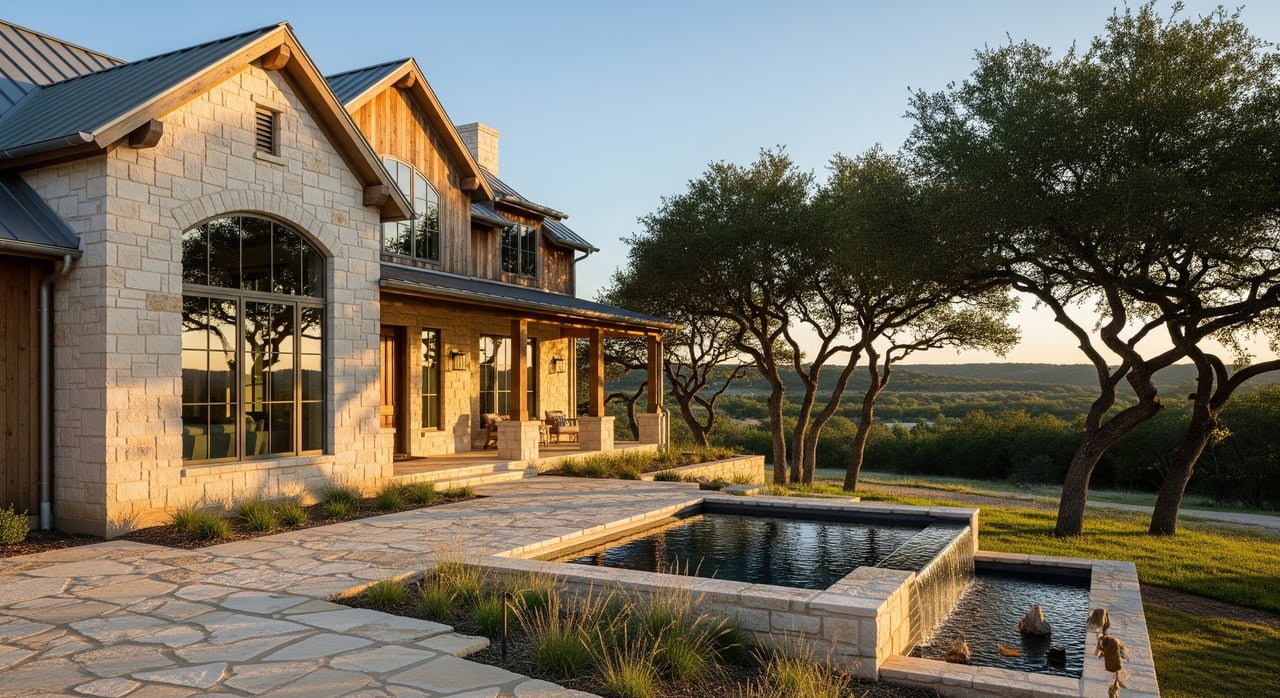
Picture this: warm evening light on native limestone, a metal roof glinting after a summer shower, and a deep porch that pulls you outside to watch the oaks sway. If you’re drawn to that look and lifestyle, you’re in good company in New Braunfels. Finding the right Hill Country home here is about more than curb appeal. It’s about how materials, site conditions, and design choices work for our climate and your daily life. In this guide, you’ll learn the defining styles, what features to watch for, and practical tips to buy or sell with confidence. Let’s dive in.
New Braunfels sits where rolling limestone hills meet the Comal and Guadalupe Rivers. The terrain brings views, oak and juniper woodlands, and plenty of outdoor living opportunities. Our climate is humid subtropical, with hot summers, mild winters, and occasional severe thunderstorms and hail. That affects everything from roofing to shade to drainage.
You’ll also see the city’s 19th‑century German roots in historic districts like Gruene and downtown. Many older buildings use masonry and simple forms, while newer neighborhoods and acreage tracts blend regional styles. The result is a local market with a wide mix: urban lots near downtown, river-adjacent streets, established subdivisions, and ranch-style properties on several acres.
This is the style most people picture: native limestone or stucco exteriors, gabled or low-pitched roofs, and large covered porches. You’ll often see exposed timber beams, deep eaves for shade, and patios or courtyards that make indoor and outdoor living feel seamless. Materials like local limestone, cedar, and standing-seam metal roofs are common.
Ranch homes favor single-level or low-profile layouts with an easy, horizontal look. Interiors tend to be open with large windows and sliding doors to capture views. Exteriors range from stone and brick to stucco or board-and-batten. On larger parcels, the approach drive and siting matter as much as the house itself.
Stucco walls, tile roofs, arches, and private courtyards give these homes their character. In the Hill Country, you’ll often see a stone base or accents paired with tile to tie the look to local materials. Courtyard-centered plans work well for privacy and shade.
Clean lines, tall windows, black frames, board-and-batten, and metal roofs show up across many new builds. You’ll often see stone accents or timber that nod to Hill Country tradition. Inside, open plans with high ceilings and neutral palettes feel bright and flexible.
In older New Braunfels neighborhoods, smaller homes may feature tapered porch columns, exposed rafters, and wood siding or stone bases. These details add warmth and scale on in-town lots.
Downtown and in Gruene, you’ll see masonry buildings and steep gables, sometimes paired with Victorian-era ornament in commercial cores. If you’re considering an historic property, expect character and a different set of maintenance and review considerations.
Large covered porches and patios are a hallmark of the Hill Country look. You’ll also see loggias, outdoor kitchens, and stone fire pits. Homes often include courtyards that provide shade and privacy while encouraging everyday indoor-outdoor flow.
Oversized windows, clerestories, and big sliders bring in light and views. Deep eaves, porches, and pergolas help control heat gain. Higher-end homes may feature wood or steel entry doors and, in some newer builds, impact-rated glazing.
Exposed beams, wood or natural stone floors, and masonry fireplaces bring warmth and texture. Open plans and vaulted ceilings make entertaining easy and keep sight lines clear to the outdoors.
Native, drought-tolerant planting fits both the look and the climate. Think live oak and cedar elm with native grasses. On sloped sites, you’ll often find terraces, retaining walls, and permeable drives that help move water and protect the landscape.
Hill Country lots can include limestone outcrops, slopes, and seasonal drainage paths. Good grading, erosion control, and well-built retaining walls are essential. If you’re near the Comal or Guadalupe Rivers or a creek corridor, confirm whether the property falls within a FEMA flood zone and review any elevation certificates and insurance implications.
Underpinning varies from shallow limestone bedrock to areas with shrink-swell clays. Foundation types may include slab-on-grade with engineered footings or pier-and-beam, depending on soil reports. As a buyer, ask for inspection reports and any available geotechnical information, especially on acreage builds. As a seller, disclose known drainage or foundation history.
Inside city limits, most homes connect to municipal water and sewer. In rural areas, private wells and onsite sewage facilities are common, and they are regulated by the Texas Commission on Environmental Quality as well as Comal County or the City where applicable. If you’re considering a property with a well and septic, build in time for water testing, septic inspection, and permit review.
Oak and cedar brush can create wildfire risk on rural and semi-rural parcels. Defensible space, smart vegetation management, and ember-resistant construction details can help. Ask about local guidance if your property abuts heavy brush or greenbelt areas.
Our region sees hail and strong thunderstorms. Roof age and material affect insurance underwriting, so confirm details up front. Impact-rated windows and reinforced garage doors can be meaningful upgrades in both comfort and risk reduction.
In recognized areas such as the Gruene Historic District and parts of downtown, exterior changes may require approval. If you plan to renovate, check city preservation resources and permit procedures early so your timeline and budget stay on track.
The City of New Braunfels issues building permits in the city, while Comal County governs unincorporated areas. Energy code compliance can vary by jurisdiction. For new construction or major remodels, confirm local requirements before you finalize plans.
Authentic materials and outdoor living spaces resonate strongly with Hill Country buyers. Native limestone, well-executed porches, and big sliders to patios or courtyards can boost appeal. Lot attributes also matter. River proximity, hilltop views, and oak-covered acreage influence value, while floodplain or septic constraints can limit marketability.
When updating, preserve character-defining features like masonry and porches, especially in historic areas where review is required. Energy improvements such as insulation, high-efficiency HVAC, attic ventilation, and radiant barriers are attractive in our climate. Texas offers a strong solar resource, so if the roof is in good condition and orientation works, solar may be worth exploring with local rules and HOA guidelines in mind.
Custom builders frequently offer “Hill Country” or “Texas limestone” packages. On raw land, budget for site work like clearing, driveway access, retaining walls, and utility extensions. On sloped or heavily treed tracts, these costs can be significant, so evaluate them alongside the construction budget and timeline.
Choosing or presenting a Hill Country home in New Braunfels is about connecting architecture, landscape, and lifestyle with the realities of our climate and regulations. You deserve a trusted advocate who knows the micro-markets, understands site and materials, and can position your property with polish.
If you’re ready to explore listings, evaluate land for a custom build, or strategically prepare your home for market, we’re here to help. Connect with The Renfeld Group to Request a Custom Market Plan.
ADDRESS 453 W San Antonio St New Braunfels TX 78130
ADDRESS 453 W San Antonio St New Braunfels TX 78130