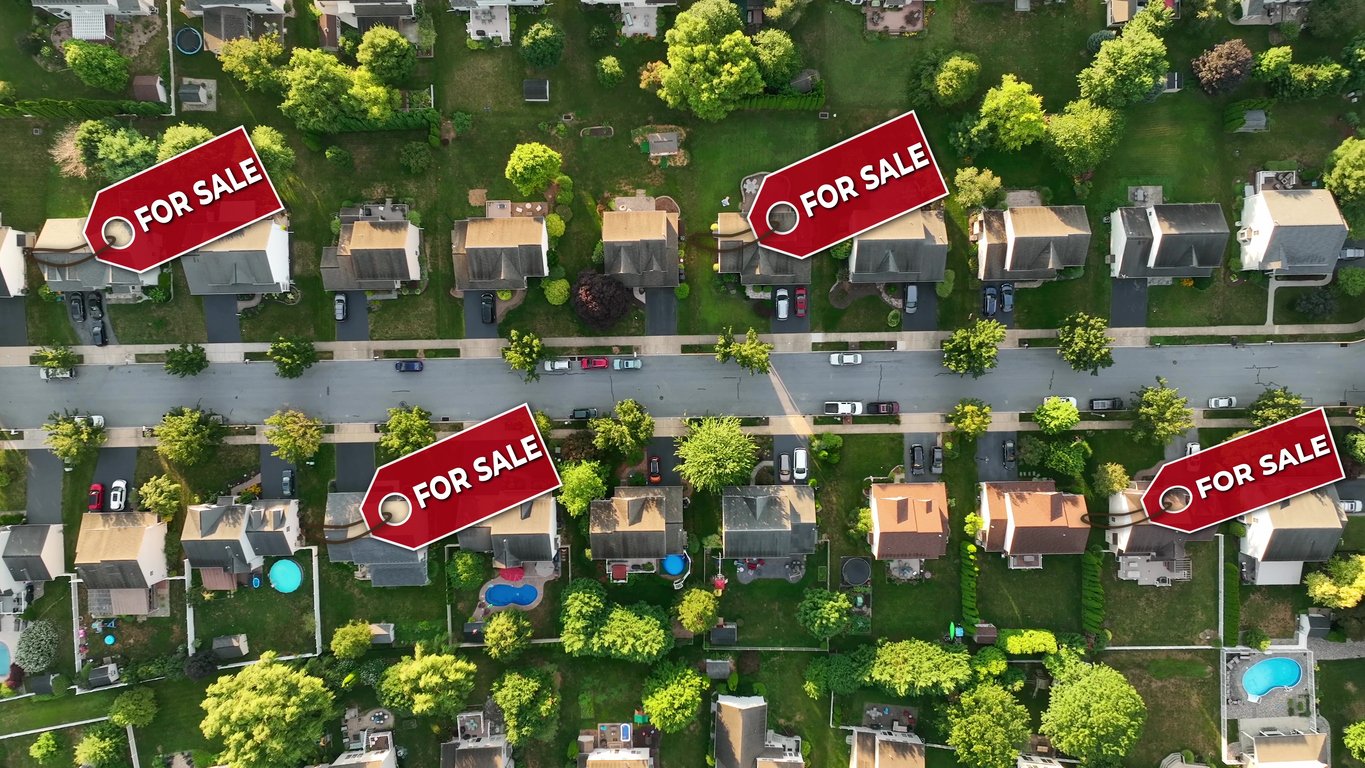
If you've been thinking about selling your home, you've probably wondered one thing:
"How much can I get for it?"
It's a fair question. After all, your home is likely one of your biggest financial assets, and you've invested years of time, money, and memories into it.
But here's something I tell every seller I meet.
What you need to get for your home and what the market is willing to pay are two very different things.
That isn't meant to be harsh. It's simply how today's real estate market works.
The buyers who walk through your front door don't know how much you spent remodeling the kitchen. They aren't thinking about the weekends you spent landscaping the backyard or the memories you made raising your family there. They're asking one question:
"Is this home worth the price?"
Understanding that difference is the foundation of a successful home sale.
One of the hardest parts of selling a home is separating emotion from value.
As homeowners, we naturally place extra value on the things we've improved over the years. We remember replacing the roof, updating the bathrooms, painting every room, or finally building that dream outdoor living space.
Those improvements absolutely matter.
They make your home more appealing, more functional, and often more valuable.
But buyers don't calculate value based on what you spent.
They compare your home against every other available property in the same price range.
If your home is listed at $525,000, buyers aren't just looking at your house. They're comparing it to every other home around $525,000 that offers similar square footage, location, condition, and features.
That's why pricing isn't about recovering every dollar you've invested. It's about positioning your home where buyers see it as the best value available.
Many sellers believe they should start high because they can always lower the price later.
In today's market, that strategy often backfires.
The first few weeks your home is on the market are typically when it receives the most attention. New listings generate excitement among buyers and agents, and that's when your listing has the greatest opportunity to create competition.
If the price doesn't match what buyers expect, they simply move on.
Instead of attracting offers, your home begins to accumulate days on market.
Eventually, buyers start asking questions.
"Why hasn't it sold?"
"Is something wrong with it?"
By the time the first price reduction happens, you've already missed your strongest opportunity to make a great first impression.
This surprises many homeowners.
Pricing too high doesn't usually lead to negotiating down to market value.
Instead, it often leads to selling for less than you could have if you had priced correctly from the beginning.
Here's why.
An overpriced home attracts fewer qualified buyers.
Fewer buyers mean fewer showings.
Fewer showings usually mean fewer offers.
Without multiple interested buyers, you lose negotiating power.
Instead of buyers competing with one another, you're competing against every other listing in your price range.
A well-priced home creates urgency.
An overpriced home creates hesitation.
Even when a buyer falls in love with your home, there's another hurdle to clear.
The appraisal.
If the buyer is financing the purchase, the lender wants to know the home is worth what they're lending.
The appraiser doesn't evaluate what the seller needs to make or what a buyer hopes the home is worth.
They evaluate recent comparable sales, market conditions, location, condition, size, and features.
If the appraisal comes in below the contract price, several things can happen:
Pricing your home based on today's market dramatically reduces the likelihood of appraisal issues later.
One of the biggest misconceptions is that pricing is simply picking a number based on nearby listings.
In reality, it's a detailed analysis.
When I help sellers determine a list price, we're looking at much more than what's currently for sale.
We analyze recent sold properties because those establish market value.
We consider current competition because that's what buyers are shopping today.
We evaluate inventory levels, buyer demand, neighborhood trends, condition, upgrades, lot characteristics, and the unique features that make your property stand out.
It's a combination of data, local market knowledge, and experience.
Pricing isn't about choosing the highest possible number.
It's about choosing the number most likely to generate strong interest and ultimately produce the best outcome.
National headlines often make real estate sound simple.
They'll tell you it's a buyer's market or a seller's market.
The reality is much more nuanced.
Conditions vary from city to city, neighborhood to neighborhood, and even price range to price range.
Here in New Braunfels and throughout the Texas Hill Country, we're seeing a healthier balance than we did during the pandemic years.
Buyers have more choices than they once did, which means pricing accurately has become even more important.
The homes that sell quickly aren't always the newest or the biggest.
They're the ones that buyers believe represent excellent value.
Every seller wants as many people as possible to see their home.
But views alone don't pay the bills.
Qualified buyers do.
The right price attracts the right buyers.
The right buyers generate stronger offers.
And stronger offers often lead to smoother negotiations, fewer surprises during the appraisal process, and a better overall experience from contract to closing.
Selling a home is both a financial decision and an emotional one.
It's completely understandable to feel attached to the place you've called home.
But when it's time to sell, the market becomes the final decision-maker.
Pricing your home correctly from day one isn't about leaving money on the table.
It's about maximizing your opportunity to attract buyers, generate offers, and achieve the strongest possible sale.
The right price doesn't simply help your home sell.
ADDRESS 453 W San Antonio St New Braunfels TX 78130
ADDRESS 453 W San Antonio St New Braunfels TX 78130